
ERP Software for Manufacturing Industry | Benefits & Features
Feb 13, 2023
ERPonTheNet+
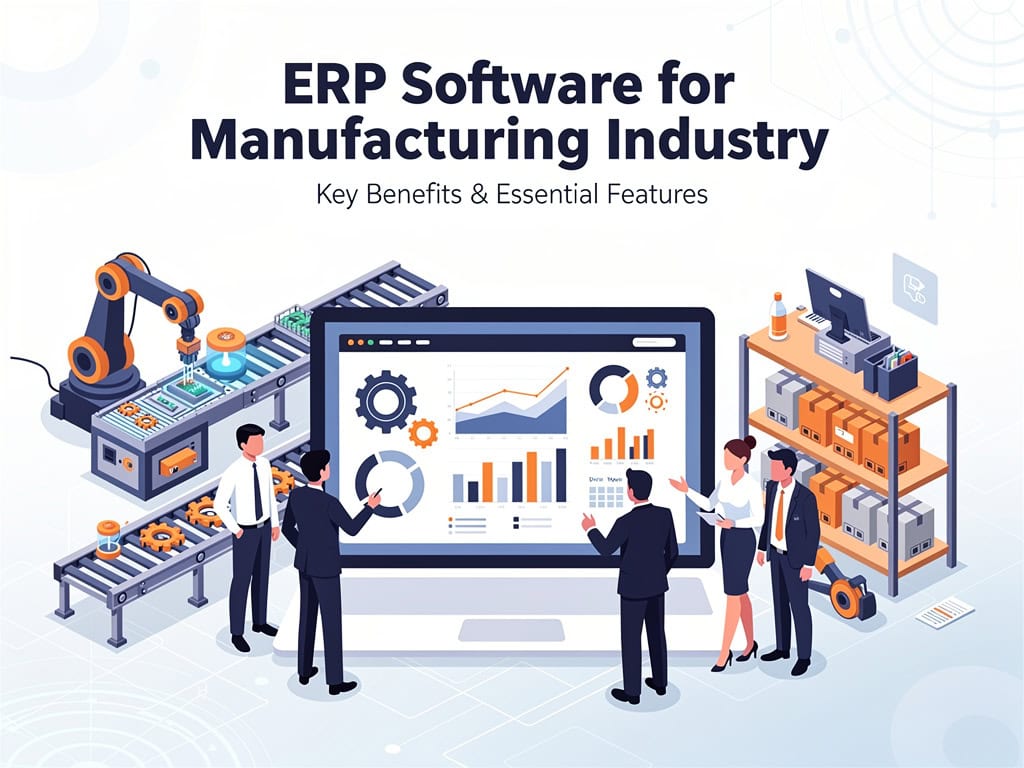
ERP Software for the Manufacturing Industry: Streamlining Production and Driving Growth
The manufacturing industry operates in a highly competitive environment where efficiency, accuracy, and timely delivery are critical to success. Managing production schedules, inventory, procurement, quality control, and financial operations through separate systems can lead to delays, increased costs, and operational inefficiencies.
This is where ERP (Enterprise Resource Planning) software plays a vital role.
Manufacturing ERP software integrates all business processes into a single platform, providing real-time visibility and control over operations. From raw material procurement to finished product delivery, ERP helps manufacturers optimize resources, reduce costs, and improve productivity.
What is Manufacturing ERP Software?
Manufacturing ERP software is a comprehensive business management system designed specifically to support manufacturing operations. It combines production planning, inventory management, procurement, accounting, sales, and quality control into one centralized solution.
By connecting all departments, ERP enables manufacturers to make informed decisions based on real-time data and streamline workflows across the organization.
Common Challenges Faced by Manufacturers
Many manufacturing businesses struggle with:
-
Inventory shortages or overstocking
-
Production delays
-
Inefficient resource allocation
-
Poor demand forecasting
-
Lack of real-time visibility
-
Quality control issues
-
Manual data entry and reporting
-
Supply chain disruptions
Without an integrated system, these challenges can impact profitability and customer satisfaction.
How ERP Software Helps Manufacturing Companies
1. Production Planning and Scheduling
ERP software helps manufacturers plan production activities efficiently by analyzing demand, available resources, and inventory levels.
Benefits include:
-
Optimized production schedules
-
Reduced downtime
-
Better resource utilization
-
Improved delivery timelines
2. Inventory Management
Managing inventory accurately is essential for manufacturing success.
ERP provides:
-
Real-time stock tracking
-
Automated inventory updates
-
Raw material management
-
Finished goods tracking
-
Warehouse optimization
This helps reduce inventory costs while ensuring materials are available when needed.
3. Bill of Materials (BOM) Management
A Bill of Materials (BOM) contains all components required to manufacture a product.
ERP systems help manufacturers:
-
Create and manage BOMs
-
Track material usage
-
Calculate production costs
-
Improve production accuracy
4. Material Requirements Planning (MRP)
MRP functionality ensures the right materials are available at the right time.
ERP software helps:
-
Forecast material demand
-
Prevent stock shortages
-
Reduce excess inventory
-
Improve procurement planning
5. Quality Control Management
Maintaining product quality is critical for customer satisfaction and regulatory compliance.
ERP systems support:
-
Quality inspections
-
Non-conformance tracking
-
Quality reporting
-
Compliance management
This helps manufacturers consistently deliver high-quality products.
6. Procurement and Supplier Management
ERP streamlines purchasing processes by automating procurement activities.
Key benefits include:
-
Automated purchase orders
-
Supplier performance tracking
-
Cost control
-
Faster procurement cycles
This improves supplier relationships and ensures uninterrupted production.
7. Real-Time Reporting and Analytics
Manufacturing ERP software provides valuable insights into business performance through customizable dashboards and reports.
Manufacturers can monitor:
-
Production efficiency
-
Inventory levels
-
Equipment utilization
-
Sales performance
-
Financial health
These insights support better decision-making and continuous improvement.
8. Cost Management
ERP helps manufacturers track and control costs associated with:
-
Raw materials
-
Labor
-
Production processes
-
Overhead expenses
Accurate cost analysis enables businesses to improve profitability and pricing strategies.
9. Supply Chain Optimization
Manufacturing ERP connects procurement, inventory, production, and distribution processes.
Benefits include:
-
Improved coordination
-
Reduced lead times
-
Better demand forecasting
-
Enhanced supply chain visibility
A well-managed supply chain leads to smoother operations and satisfied customers.
10. Financial Integration
ERP integrates manufacturing operations directly with accounting and finance.
This allows businesses to:
-
Track production costs
-
Generate financial reports
-
Monitor profitability
-
Manage budgets effectively
Real-time financial visibility supports strategic business growth.
Key Features to Look for in Manufacturing ERP Software
When selecting an ERP solution for manufacturing, consider features such as:
-
Production Planning & Scheduling
-
Material Requirements Planning (MRP)
-
Bill of Materials (BOM)
-
Inventory Management
-
Quality Control
-
Procurement Management
-
Supply Chain Management
-
Financial Accounting
-
Business Intelligence & Reporting
-
Multi-Warehouse Management
Choosing the right ERP ensures long-term operational efficiency and scalability.
Benefits of ERP for Manufacturing Businesses
Implementing ERP software offers several advantages:
Increased Productivity
Automate routine tasks and reduce manual work.
Improved Accuracy
Eliminate duplicate data entry and reduce errors.
Better Decision-Making
Access real-time business information and analytics.
Lower Operational Costs
Optimize resources and reduce waste.
Enhanced Customer Satisfaction
Improve production efficiency and on-time delivery.
Scalability
Support future business growth without operational bottlenecks.
Why Manufacturers Are Investing in ERP
As customer expectations continue to rise and competition intensifies, manufacturers need greater control over operations. ERP software provides the visibility, automation, and efficiency required to remain competitive in today’s market.
By integrating all business functions into a single platform, manufacturers can improve productivity, reduce costs, and build a foundation for sustainable growth.
Manufacturing ERP software is more than just a technology investment—it’s a strategic tool that helps businesses optimize production, improve efficiency, and increase profitability.
From inventory management and production planning to quality control and financial reporting, ERP empowers manufacturers with the tools they need to streamline operations and stay ahead of the competition.
If your manufacturing business is looking to improve operational performance and prepare for future growth, implementing a robust ERP solution could be the key to long-term success.